Most home fire safety checklists are flat yes/no lists written for a generic building. They cover alarms, escape plans, and cooking, then stop. That skips what differs from home to home: what you’re allowed to change, what you can spend, and what you’ve put on your tables, windows and walls. This checklist is sorted by those decisions. Heating season is starting in the US and UK, and Australian households with bushfire exposure have their own seasonal job (clearing leaf litter and gutters), so now is a practical time to run it.
What can you actually change?
- Rented apartment or flat (Minimalist, Modern): You usually can’t wire or drill, so focus on what’s in your control. Test the alarms, learn the building’s alarm sound and exit routes, and keep both exits clear. UK guidance says not to use the lift in a building fire.
- Small house or two-story home (Modern, Coastal): Fit an alarm on every level and in every bedroom where possible. Upstairs bedrooms need a second way out, and an escape ladder at the window is one option.
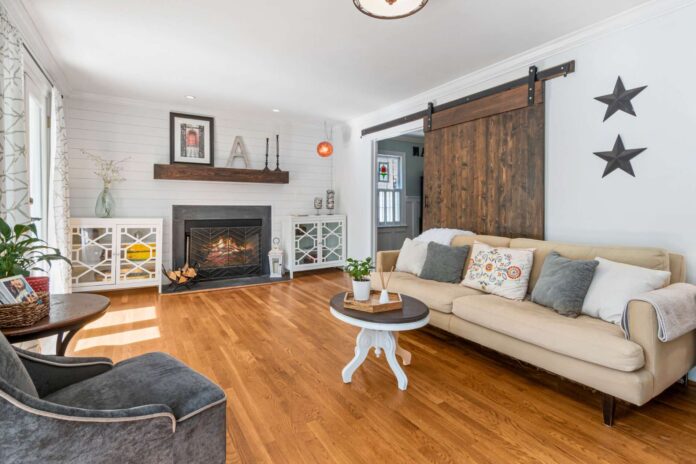
- Fireplace, wood stove or open fire (Farmhouse, Rustic, Traditional): Use a sturdy metal screen, get the chimney checked before each heating season, and take hot ashes outside immediately.
- Bushfire-prone Australian property (Coastal, Rustic): Keep leaves and litter cleared from around the house and clean the gutters regularly.
Where each alarm goes varies by layout and country, so check the smoke detector placement guide before you buy or move anything.
The core list everyone needs
- Alarms: One on every level, outside every sleeping area, and inside bedrooms if you can. Add a carbon monoxide alarm near the bedrooms.
- Testing: Advice varies. Many US checklists say monthly, while UK services and some US departments say weekly. Replace the whole unit after 10 years.
- Escape plan: Draw a map with two ways out of every room (usually a door and a window). Choose a meeting spot out front and practice twice a year, once at night. Teach children to get out on their own.
- Time: NFPA-based pages say you may have only one to two minutes, while a US Fire Administration sheet says under three. Plan for the shorter figure.
- Once you’re out, stay out. Call 911 (US), 999 or 112 (UK), or 000 (Australia).
- Cooking: Stay in the kitchen while the hob is on. Turn pot handles inward, keep tea towels away from the burners, and clear grease. Smother a pan fire with a lid, and never use water on a grease fire.
- Electrical: Don’t overload outlets, don’t run cords under rugs, replace frayed leads, and clean the dryer lint filter every time.
- Keys and ignition sources: Keep keys for locked exits within reach, and keep matches and lighters away from children.
What to buy first
| Tier | What | US | UK | Australia |
|---|---|---|---|---|
| Free tonight | Escape map, clear exits, test alarms | $0 | £0 | A$0 |
| Kitchen first aid | Fire blanket (1 m × 1 m to 1.2 × 1.8 m) | Standalone price not confirmed; a 3-in-1 kit with a small extinguisher, blanket and escape hood is around $46 | about £14–£27 | about A$17–A$30 |
| Extinguisher | Small home unit | $20–$50 | about £27 for a 1 kg unit bundled with a blanket | about A$27–A$70 for 1 kg |
| Worth saving for | Interconnected alarms, escape ladder, sprinklers if renovating | See the price table in the smoke detector guide |
The honest take: Fire blankets are the best value for kitchens, but they’re bulky pouches you’ll want mounted near the exit, not above the hob. A UK supplier also notes that British standards discourage powder extinguishers indoors because of the mess and the effect on breathing and vision.
The part most checklists skip: your decor
NFPA’s decoration-fire figures say about a third of fires started by decorations involve candles, and two in five happen because something was placed too close to a heat source. That’s a styling problem as much as a safety one.
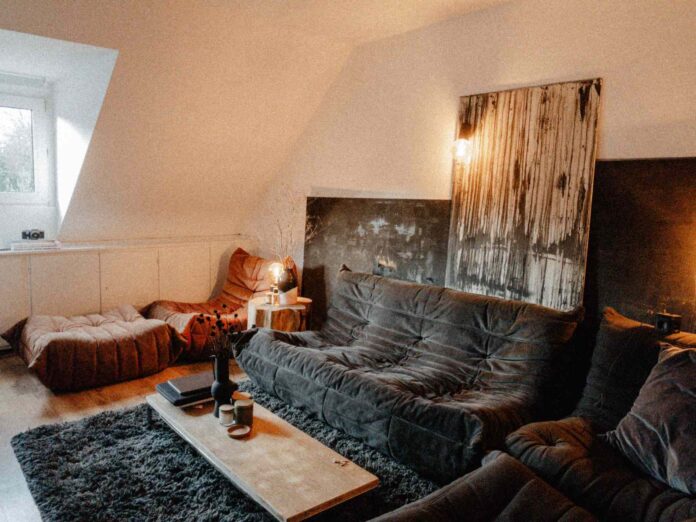
Before: A coffee table of pillar candles sits beside floor-length curtains, with a space heater a foot from the sofa throw. After: LED candles on a tray, curtains tied back, and every heater about 3 ft (1 m) from fabric.
| Style | Decor feature | The risk | The fix | Best for |
|---|---|---|---|---|
| Boho | Macramé, throws, hanging plants | Fabric near heaters and candles | Pull seating and drapes back from heaters | Studio, small bedroom |
| Farmhouse / Rustic | Mantel garlands, wood stove | Greenery and paper close to the fire | Metal screen, nothing above or around the fireplace | Living room with a fireplace |
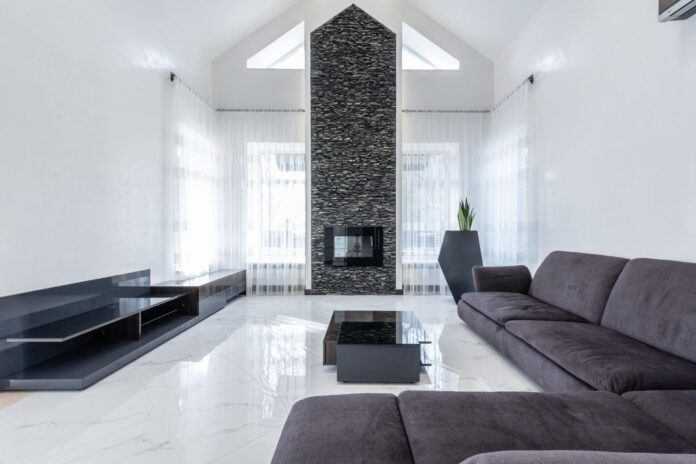
| Modern / Minimalist | LED strips, fairy lights, multi-plugs | Overloaded outlets, heat from lights left on | Certified lights, off at night, no nails or staples on cables | Apartment, desk corner |
| Traditional | Candles, long curtains | Flame meets fabric, curtains blown over candles | Flameless LED candles, or stable holders far from curtains | Large living room |
| Scandi / Cozy | Electric blanket, layered throws | Old or folded blankets overheat | Check the safety mark, unplug unless thermostat-controlled for all-night use, don’t fold, don’t buy second-hand | Bedroom |
Two links between decor and layout are worth making. If you’re setting up a coffee or side table, settle the table layout first, then keep candles, lamps and cords away from anything fabric. The same applies to walls: when planning modern wall decor, keep paper art, tapestries and garlands out of heater and fireplace range.
Don’t let styling block the exit. A bed against the only window, tall shelving in front of a second exit, or heavy planters in a hallway can all undo an escape plan. Doors and windows need to open easily, and routes need to stay clear.
The honest take: LED candles are a little less atmospheric, but they remove the open flame entirely. If you keep real candles, treat them as supervised-only decor.
Your bedtime shutdown routine
Run through this before bed:
- Close bedroom doors. UL’s Fire Safety Research Institute found a closed door keeps a room far cooler and clearer of smoke for longer. It doesn’t replace alarms.
- Blow out candles and turn off fairy lights.
- Unplug the electric blanket unless it’s thermostat-controlled for all-night use.
- Switch off heaters and cooking appliances.
- Avoid charging lithium-ion devices overnight.
- Check that keys and exits are where the escape plan says.
Frequently Asked Questions
What should be on a home fire safety checklist?
A solid checklist covers five areas: working smoke and carbon monoxide alarms, a practiced escape plan with two ways out of every room, safe cooking habits, heat and electrical checks (heaters, cords, candles), and basic equipment such as an extinguisher or fire blanket. Review it once a year, and again whenever you redecorate or start using heating.
How often should I test smoke alarms?
Advice varies: many US checklists say monthly, while UK fire services and some US fire departments say weekly. Either way, press the test button on every alarm, replace batteries when they chirp, and replace the whole unit after ten years, counted from the date stamped on the body.
How often should you practice a fire drill?
At least twice a year, with everyone in the home, including guests where possible. NFPA guidance says to run one drill by day and one at night, using a different exit each time. Pick a meeting spot outside, in front of the home, and teach children to get out on their own if you can’t reach them.
Should you sleep with your bedroom door closed?
Yes, where practical. UL’s Fire Safety Research Institute found that a closed bedroom door keeps smoke and heat out far longer than an open one, buying valuable time to wake and escape. It doesn’t replace smoke alarms, so keep one outside every sleeping area and ideally inside the bedroom.
Where should fire extinguishers go?
Common guidance is one in the kitchen, one near an exit, and one per level, plus the garage if you have one. US checklists favor ABC-rated units; a UK supplier notes British standards discourage powder indoors in favor of water mist. Only tackle a small fire with your escape route clear.
Quick-reference takeaway
| Your situation | Do first | Rough cost | Decor watch-out |
|---|---|---|---|
| Renter, apartment | Test alarms, map two exits, learn the building alarm | $0 | Nothing blocking the window or door |
| Two-story house | Alarm per level and bedroom, escape plan, practice twice a year | $0 plus alarms | Candles near curtains |
| Fireplace home | Metal screen, annual chimney check, ashes outside | Varies | Mantel garlands |
| Tight budget | Fire blanket, small extinguisher | $20–$50 for the extinguisher | Fairy lights left on |
| Hosting or festive season | Test alarms, tell guests the exits | $0 | Trees and paper decor near heat |
Tonight’s checklist:
- Alarms tested and under 10 years old
- Two exits mapped for every room
- Meeting spot chosen
- Bedroom doors closed at night
- Heaters about 3 ft from fabric
- Candles out and lights off before bed
- Dryer lint cleared
- Fire blanket or extinguisher within reach of the kitchen exit
Rules vary by country, state, and tenancy. Confirm requirements with your local fire service.