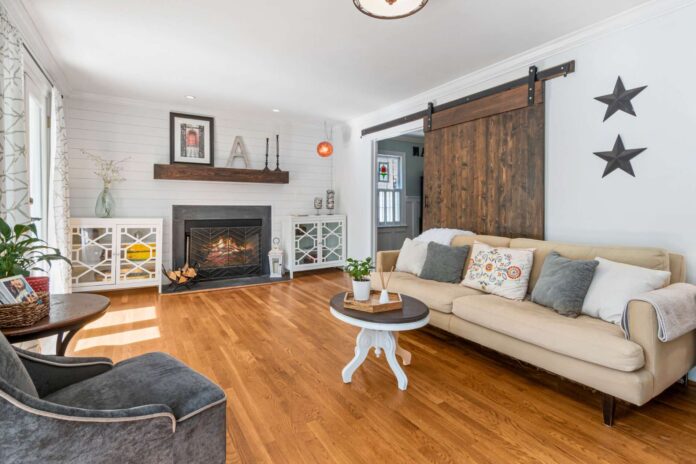
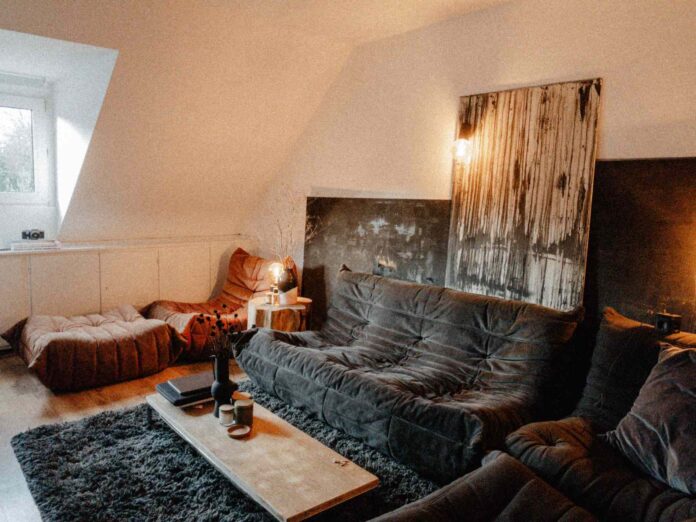
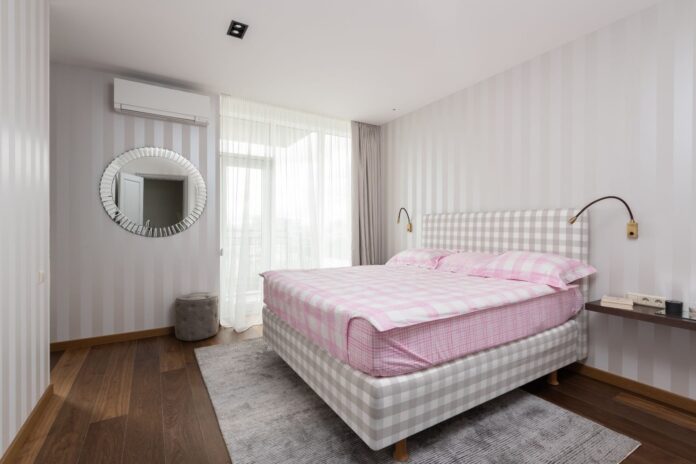
Americans discarded roughly 12.1 million tons of furniture and furnishings in 2018, according to EPA figures, and most of it went to landfill. That number is the real backdrop for US sustainable furniture. The greenest piece in your home is rarely the one with the best label. It is the one that is still there in fifteen years.
Keep, buy used, or buy new?
Most guides jump straight to brands. A better order is a three-rung ladder, and you only step down when the rung above fails.
1. Keep and repair. A sound frame with tired upholstery or a scratched finish is usually worth recovering or refinishing before you replace it. Get two local quotes, because pricing varies a lot by region and fabric. Before: a worn but solid sofa headed for the curb. After: the same frame in a new cover, with no landfill trip.
2. Buy used. Habitat for Humanity ReStores, consignment shops, and resale apps keep furniture in circulation, and older solid-wood pieces often outlast new particleboard. One analysis commissioned by an online auction group estimated a secondhand sofa saves about 563 kg of CO2 versus a new one. Treat that as a rough guide, since the commissioner profits from resale. Check joints, smells, and sagging foam before you pay.
3. Buy new, certified. When nothing sound is available, or you need an exact fit for a room, buy new. Buy for decades, not seasons.
Do the cost-per-year maths. This is illustrative only. A $1,295 sofa kept 12 years costs about $108 a year. A $600 sofa replaced every 4 years costs $150 a year and creates more waste. Your real lifespans will differ, but this arithmetic is why durability beats almost every other green feature.
Reading the labels without getting greenwashed
Each label answers one narrow question:
- FSC: the wood came from responsibly managed forests. It says nothing about glue, foam or fabric. Look up certificate numbers at info.fsc.org.
- CertiPUR-US: covers the foam in cushions and nothing else.
- GREENGUARD / GREENGUARD Gold: an indoor-air emissions test, not a verdict on sustainability.
- Vague words like “eco-friendly” or “natural,” with no percentages or certificate numbers, are marketing until proven otherwise.
Be skeptical when a logo appears without a certificate covering that exact product. Also be skeptical when a retailer has one “sustainable collection” while the rest of its catalog is conventional.
Small spaces and renters
Best for: studios and one-bedrooms under about 600 sq ft, and anyone who moves every few years. Styles: Minimalist, Scandinavian, Modern.
Take-apart, flat-pack furniture is the sustainable pick here because it survives moves. Sabai’s Essential Sofa, listed around $1,295, has an FSC-certified frame and ships flat. The brand also runs a buyback program with refurbished pieces up to 30% off. Floyd’s take-apart three-seater runs about $1,895. For storage, recycled-paperboard cube shelves start near $25, though they suit light loads only.
Before: a $400 sofa that won’t survive the next move. After: a frame that comes apart and rebuilds in the next place.
Once the sofa is settled, match it with wall decor that suits your lease. Our guide to modern living room wall decor, sorted by room size, budget, and lease, covers that.
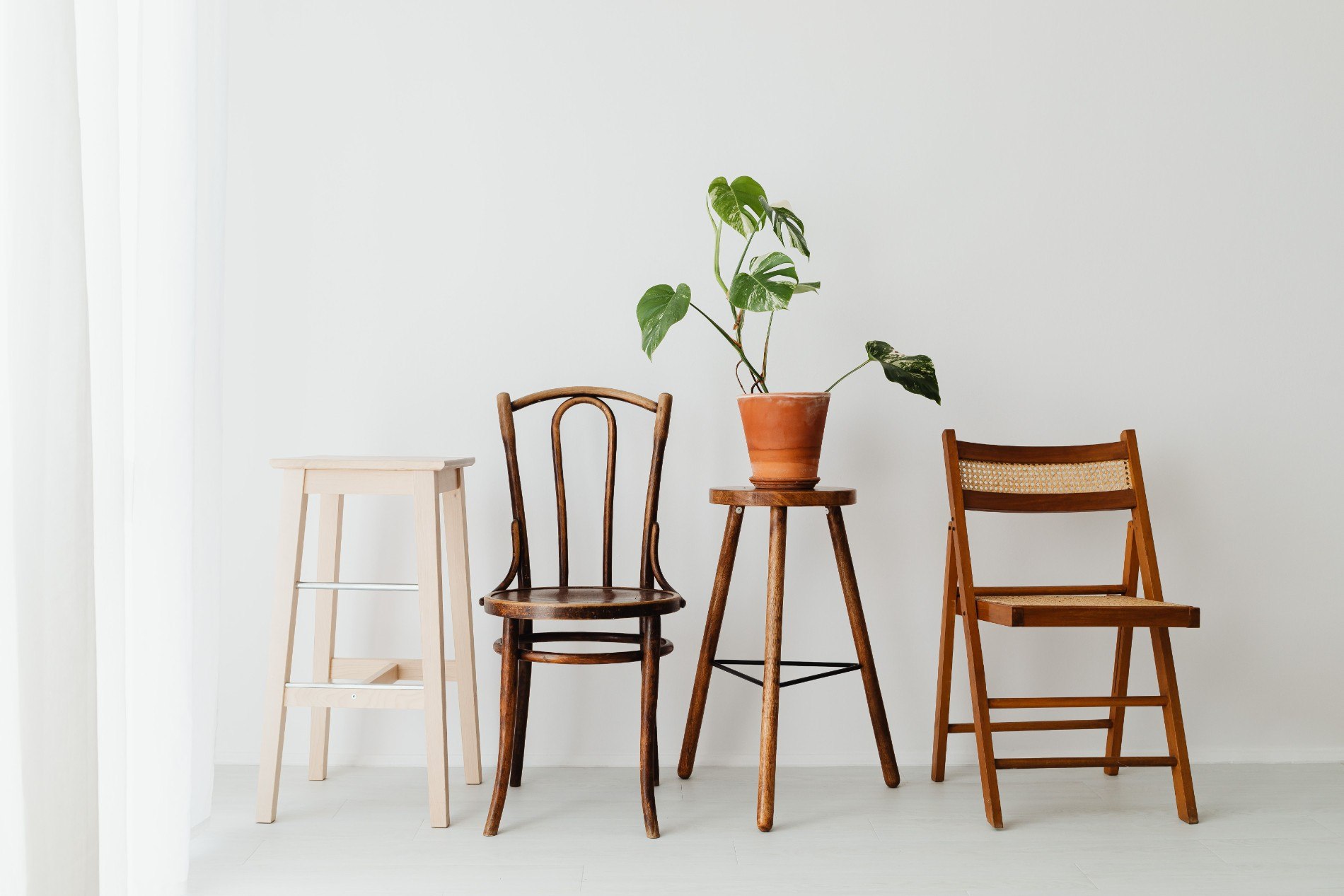
Living room
Best for: living rooms around 12×15 ft or larger, in homes you plan to keep. Styles: Modern, Mid-century, Traditional.
The sofa is your biggest purchase. Medley’s made-to-order sofas (FSC alder frames, CertiPUR-US foam) are listed from roughly $2,117 to $2,890, and its range reaches $6,438. One reviewed natural-latex model climbed from $3,615 to $4,195 once customized. Burrow’s Block Nomad line starts around $2,000.
Honest take: the premium for solid wood and natural latex is real. Polyfoam cushions with CertiPUR-US certification cost less but are still foam, so there the frame carries the sustainability case. Ask whether cushions and covers can be replaced separately, because that decides how long the sofa stays useful.
If the sofa will sit near a hearth, follow the fireplace manufacturer’s clearances. You’ll find layout ideas in our guide to living room decor ideas that match your fireplace.
Bedroom and dining
Best for: any room size, since frames and tables are bought once. Styles: Rustic, Farmhouse, Mid-century.
Solid or reclaimed wood beats veneer and particleboard for lifespan. Pottery Barn’s reclaimed-wood queen bed was listed near $1,799, and Essentia’s FSC ash frames start at $2,939. For dining, a reclaimed extending table runs about $1,499, while made-to-order salvaged-wood tables from makers like Alabama Sawyer sit at $3,000–$5,500.
Honest take: that is a lot of money. If budget is tight, this is where used wins most clearly, because a solid-wood table can be sanded and refinished for decades. Reclaimed wood is also heavy, so check weight limits and finishes before you commit.
What looks green but isn’t
- A “sustainable line” at a conventional retailer. Only that collection counts, and the rest of the store doesn’t inherit the label.
- Recycled-fabric sofas on weak frames. Recycled fabric is a good use of waste, but frame quality and replaceable parts matter more.
- Premium price without paperwork. Expensive is not the same as certified. Ask for certificate numbers.
Frequently Asked Questions
What makes furniture sustainable?
Sustainable furniture is built to last, made from responsibly sourced or reclaimed materials, finished with low-emission coatings, and designed to be repaired or recycled. Durability matters most: a sofa used for fifteen years usually beats a certified one replaced after three. Materials, manufacturing, and end-of-life all count.
How do I spot greenwashing in furniture?
Look for third-party certifications tied to the specific product, not just a logo in the brochure. Check FSC numbers at info.fsc.org and GREENGUARD listings in UL’s database. Be wary of vague phrases like “eco-friendly” or “natural” with no percentages, materials, or certificate numbers attached.
Is sustainable furniture more expensive?
Often, yes, upfront. In the sources checked, sustainable sofas ran roughly $745 to $6,400 and solid-wood dining tables from about $1,500 to $5,500. Cost per year of use narrows the gap, since solid frames and replaceable parts last longer. Secondhand and ReStore pieces are usually the cheapest sustainable route.
Is secondhand furniture more sustainable than new eco-friendly furniture?
Usually, yes, because the best-case sofa or table is one that already exists. One analysis commissioned by an online auction group estimated a secondhand sofa saves about 563 kg of CO2 versus new. Reupholstering or refinishing what you own beats both. A new certified piece wins when nothing sound is available.
Quick-reference table and checklist
| Your situation | Best route | Style fit | Typical price (USD) | Room size |
|---|---|---|---|---|
| Renter, moving soon | Flat-pack FSC-frame sofa, or used | Minimalist, Scandinavian | $745–$1,895 | Under 600 sq ft |
| Long-term living room | Solid-wood frame, replaceable cushions | Modern, Mid-century | $2,100–$4,200 | 12×15 ft and up |
| Bedroom | Solid or reclaimed wood frame | Rustic, Farmhouse | $1,799–$2,939+ | Any |
| Dining | Reclaimed or FSC solid-wood table | Farmhouse, Rustic | $1,499–$5,500 | Any |
| Tight budget | ReStore, consignment, resale apps | Any | Compare locally | Any |
Before you buy, check:
- Can the existing piece be repaired or recovered instead?
- Is there a certificate number for this exact product?
- Is the frame solid wood, not particleboard or MDF?
- Can cushions and covers be replaced separately?
- Does the piece come apart for your next move?