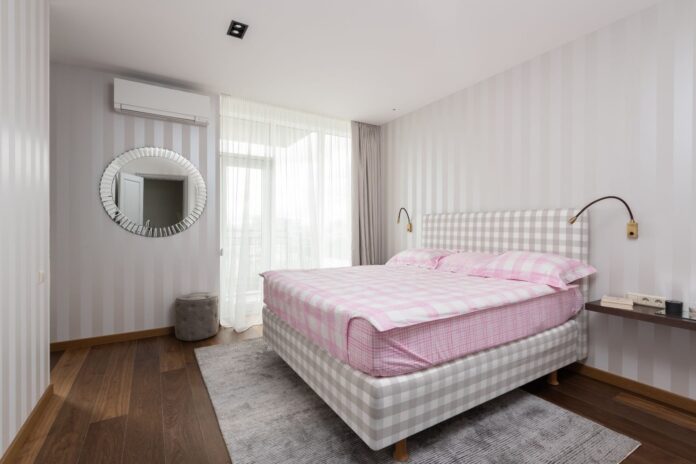
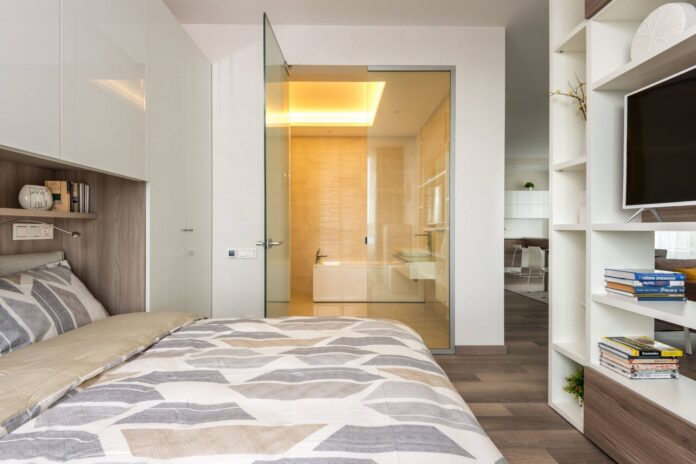
A room doesn’t look luxurious because of one expensive purchase. It looks that way when five things are handled well: light you can control, furniture and art at the right scale, a few materials that feel substantial, a restrained palette, and details that look chosen rather than assembled. This guide sorts luxury room decor ideas by those five signals, so you can see which ones deserve real money, which have a cheaper route, and which to skip.
What Makes a Room Read as Luxurious
Luxury in a room is mostly proportion, control, and restraint, not quantity. High-end rooms tend to have fewer, larger pieces, one consistent set of finishes, and clear surfaces. Designers quoted by Livingetc make a related point about small rooms: when everything is seen up close, details like hardware, curtains and layered lighting carry more weight than big-ticket items.
That is why the ideas below are ordered by effect, not by price.
Lighting: The Fastest Way to Look Expensive
One overhead fixture flattens a room. A high-end look usually comes from several low, warm sources at different heights: table lamps, wall sconces, a picture light, and one statement fixture. If you are starting from a single ceiling light, our guide to room decor ideas with lights covers how to add lamps and glow without rewiring.
Size and hang a statement fixture correctly
- Width: a common guideline is one-half to two-thirds the width of the dining table. Over a 60-inch table, that is roughly 30 to 40 inches. Some retailers suggest sizing the fixture about 12 inches narrower than the table instead, which gives 48 inches for the same table, so check it against your chairs and walkways.
- Height: with an 8-foot ceiling, hang the bottom 30 to 36 inches above the tabletop, and add about 3 inches for each extra foot of ceiling height.
- Low ceilings: choose a flush or semi-flush fixture. A large chandelier in a low room looks crowded, not grand.
Choose bulbs that flatter the room
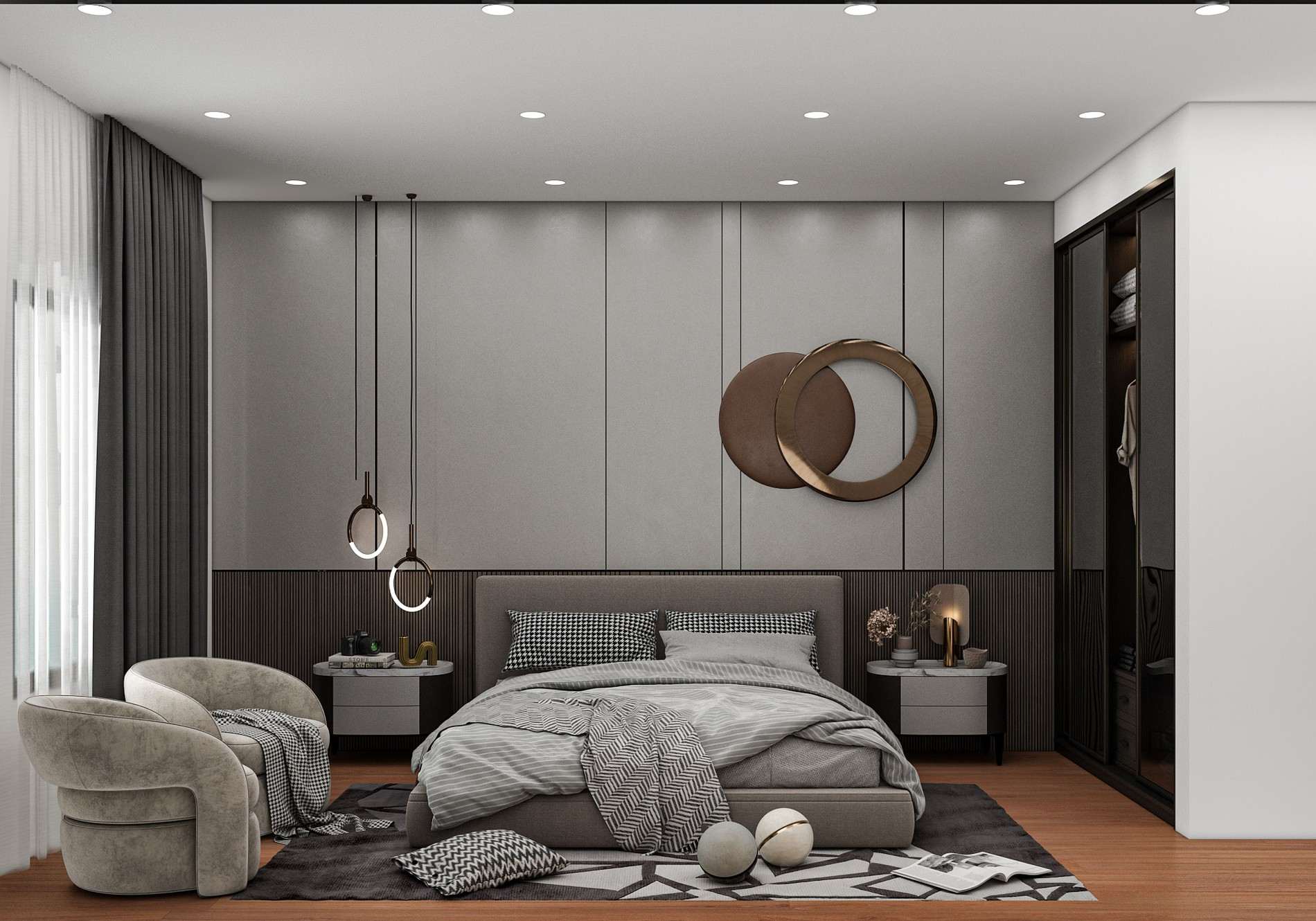
The U.S. Department of Energy describes 2700–3000K as warm light and notes that warm light is preferred for living spaces because it flatters skin tones and clothing. It also says color rendering is generally considered more important than color temperature, so check the CRI on the package; a higher number means fabrics, wood, and art look truer. Put each layer on a dimmer where you can, and confirm the bulbs are labeled dimmable.
Safety note: hardwiring a chandelier, adding dimmer switches, or mounting a heavy fixture is work for a licensed electrician. The ceiling box must be rated for the fixture’s weight.
Scale: Rug, Curtains, Art and Mirrors
Many rooms that look “almost there” have an undersized rug, short curtains, or small art. Fixing scale costs less than upgrading materials and changes more.
- Rug: at minimum, put the front legs of the sofa and main chairs on the rug, and leave some bare floor, roughly 12 to 18 inches, between the rug and the walls. Designers differ on the exact border (Becki Owens says at least one foot). Tape the outline on the floor before you buy.
- Curtains: hang the rod near the ceiling, extend it past the window frame, and let the panels reach the floor. Designers cited by Livingetc say full-height, full-width curtains make a room read taller and wider than it is. A weighty fabric hangs better than a thin one.
- Art: center a piece about 57 inches from the floor, the standard gallery height (Apartment Therapy). Above a sofa or console, set the bottom edge 6 to 8 inches above the furniture, even if that puts the center higher (Hunker). On tall ceilings, go higher. One large piece usually looks more deliberate than six small frames.
- Mirrors: a large mirror opposite a window bounces daylight into the room. Choose a slim frame and hang it with the same height logic as art.
Texture and Materials: Where Real Matters
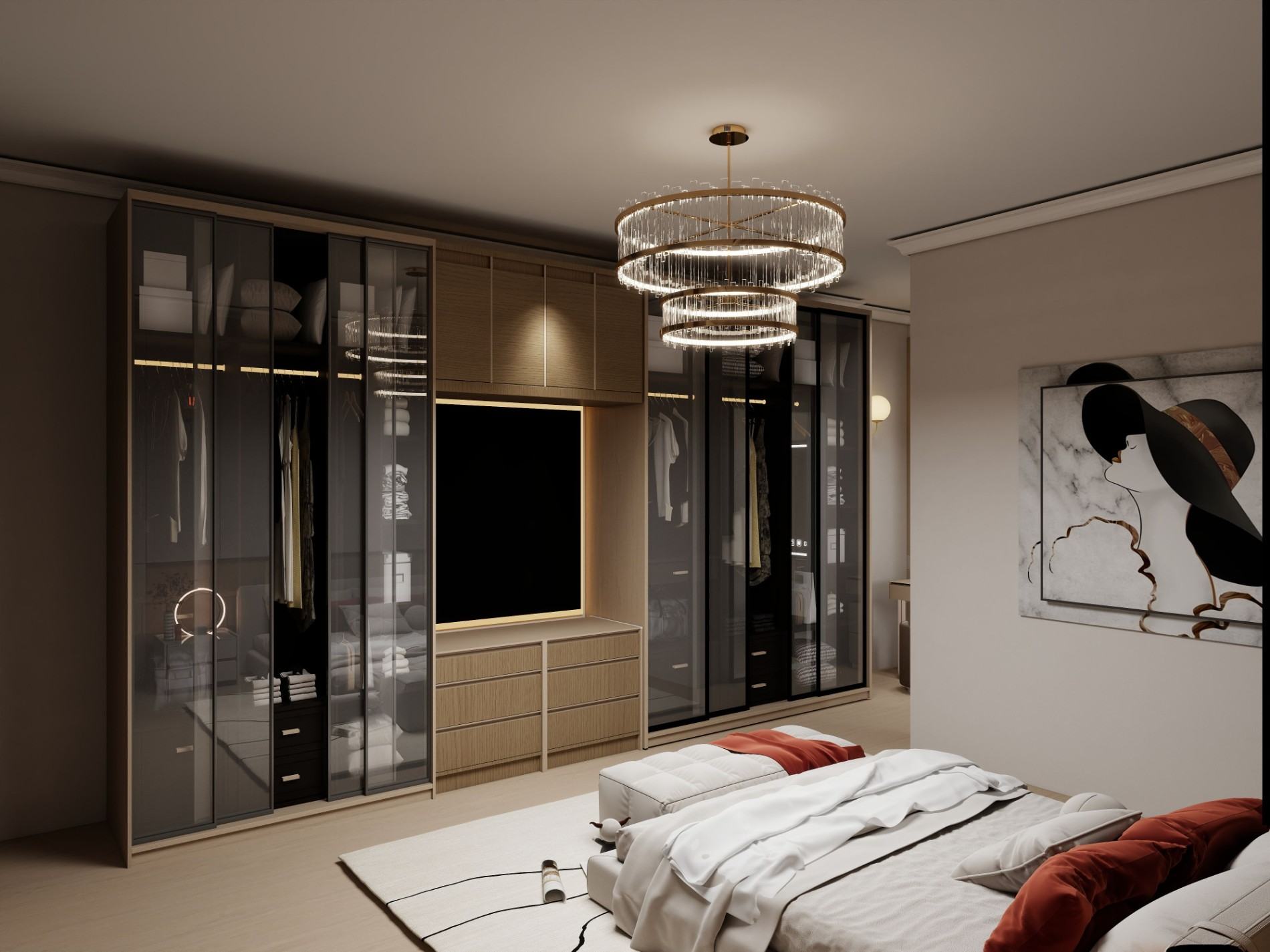
Luxury rooms feel layered because they mix textures: a smooth sofa fabric with a nubby wool throw, linen curtains with a polished wood table. Put your real-material money where you touch or see the surface every day.
- Natural stone: beautiful on a tabletop or counter, but marble can stain and etch. Ask about the finish and sealing, and accept that it will age. Marble-look porcelain or a marble tray is a lower-maintenance way to get the effect.
- Velvet: rich on an accent chair or headboard. For a family sofa, look for a performance-rated velvet.
- Linen, wool and bouclé: pairing two or three of these in one room adds depth without adding clutter.
- Hardware: knobs, pulls and switch plates are small, but designers note that upgrading them costs relatively little and has an outsized effect on how considered a room feels.
Color, Metals and Finish
A limited palette reads as intentional. Aim for two or three related tones plus one broader accent. For metals, pick one dominant finish, add a second, and repeat each at least twice so the mix looks planned. Too much gold or shine does the opposite of luxury.
Dark walls can look rich, but they raise the stakes on lighting and upkeep. If you’re tempted, read our black room decor guide before you open the paint.
Bedroom: Make the Bed the Centerpiece
- Headboard: A tall, upholstered headboard gives the room an anchor. Hang art or a mirror roughly 6 to 10 inches above it.
- Bedding: keep to a calm palette and layer a fitted sheet, duvet or coverlet, and one throw, with two or three pillows. A pile of accent pillows reads as clutter.
- Lighting: matching lamps or sconces on both sides, on dimmers, with warm bulbs.
- Surfaces: clear nightstands with a lamp, a book, and one object.
Spend, Save or Skip: A Quick Decision Table
Use this to match each luxury idea to your situation. Cost is shown as relative effort, not price. If budget is your main constraint, our low-budget room decor guide orders purchases by price tier.
| Idea | Visual payoff | Spend when | Cheaper route | Skip if |
|---|---|---|---|---|
| Layered lamps and sconces on dimmers | High | Always worth it | Plug-in sconces, dimmable warm bulbs | Never skip |
| Statement chandelier or pendant | High | You own the home and the table, or the entry is a focal point | Large lamp or plug-in pendant | Ceiling is low (use flush mount) |
| Large rug | High | Main seating area | Large flat-weave with a smaller rug layered on top | It would leave the sofa’s front legs off |
| Floor-length, full-width curtains | High | Tall windows, weighty fabric | Ready-made panels hung high | Short windows with radiators below |
| Oversized art | Medium to high | You love the piece | One large framed print instead of many small | You would fill the wall with small items |
| Marble or natural stone | Medium, high cost | Renovating and fine with patina | Marble-look porcelain, a stone tray | You won’t wipe spills promptly |
| Built-ins or paneling | High, high cost | Long-term owner | Painted paneling, freestanding shelving | You rent |
Mistakes That Make Luxury Look Forced
- Buying matching furniture sets. A collected look, with two or three coordinated finishes, reads richer.
- Mixing too many shiny finishes in one room.
- Choosing a rug that stops short of the furniture.
- Running every light at full brightness.
- Filling every surface. Clear space makes the pieces you keep look deliberate.
Frequently Asked Questions
Can I get a luxury look in a rental?
Yes. The biggest effects come from things you can remove: a rug large enough to anchor the furniture, floor-length curtains hung high and wide, plug-in lamps and sconces with warm dimmable bulbs, one oversized piece of art, and upgraded textiles. Check your lease before changing hardware, and keep the originals so you can reinstall them at move-out.
What colors look the most luxurious?
No color is universally luxurious. Rooms tend to read as high-end when the palette is limited to two or three related tones plus one broader accent, and the finishes are repeated on purpose. Deep colors like charcoal or forest green can look rich, but they need good lighting to avoid feeling heavy.
Does luxury room decor have to be expensive?
Not entirely. Surfaces and fixed features, such as stone counters or built-ins, are where real materials cost the most. Lighting, scale, curtains, and hardware create much of the impression for far less. Spend where you see or touch something every day, and keep accessories simple.
How many decorative items does a luxurious room need?
Fewer than most people expect. A few larger pieces tend to look more intentional than many small ones, and clear surfaces make the items that remain look chosen.
Your First Move, by Situation
| Your situation | Do first | Then | Hire a pro for |
|---|---|---|---|
| Renting | Plug-in lamps and warm dimmable bulbs | Large rug, floor-length curtains, one big piece of art | Nothing; avoid wiring changes |
| Own, one weekend | Add layers of lamps and dimmers | Rehang curtains and art at the heights above | Dimmer switches, chandelier wiring |
| Small room | Curtains hung high and wide | Large mirror, fewer objects | Built-in storage |
| Bedroom focus | Matching bedside lamps on dimmers | Upholstered headboard, layered bedding | Wall-mounted sconces |